
Mobile businesses depend on fast and reliable payments. Whether you run a food truck, a mobile repair service, a pop-up shop, a delivery business, or a field service company, your ability to accept payments directly affects your revenue. But what happens when the internet stops working? Many businesses assume payments must stop, too. That is not true.
Internet outages are more common than most business owners expect. Network congestion, weather problems, weak signals, and carrier failures can interrupt connectivity at any time. If your payment system depends only on a live connection, your business may lose sales, frustrate customers, and damage trust.
The good news is that modern payment technology offers multiple ways to continue accepting payments even when the internet is down. With the right preparation, tools, and processes, mobile businesses can continue operating smoothly without losing revenue.
This guide explains practical, simple, and proven ways mobile businesses can keep taking payments during internet outages. Everything is explained in clear, simple language so any business owner can understand and apply these strategies.
Table of Contents
Why Internet Outages Are a Serious Risk for Mobile Businesses
Many mobile businesses operate in environments where connectivity is not guaranteed. Unlike retail stores with fixed broadband connections, mobile operators often rely on cellular networks that can become unstable.
Internet outages create several business risks.
First, lost sales are the biggest problem. When customers cannot pay, many will simply leave. Most customers no longer carry cash, and if cards or digital payments fail, the transaction may be lost forever.
Second, outages create poor customer experiences. Customers expect fast and smooth checkout experiences. Payment failures create frustration and can make your business look unprofessional.
Third, outages slow down operations. Staff may waste time trying to reconnect devices, restarting systems, or explaining problems to customers instead of serving them.
Fourth, outages create accounting complications. When businesses try to manually track payments during outages without a proper system, mistakes can happen.
Because of these risks, having a payment continuity plan is no longer optional. It is a basic requirement for any mobile business that wants stable operations.
How Modern Payment Technology Solves Offline Payment Challenges
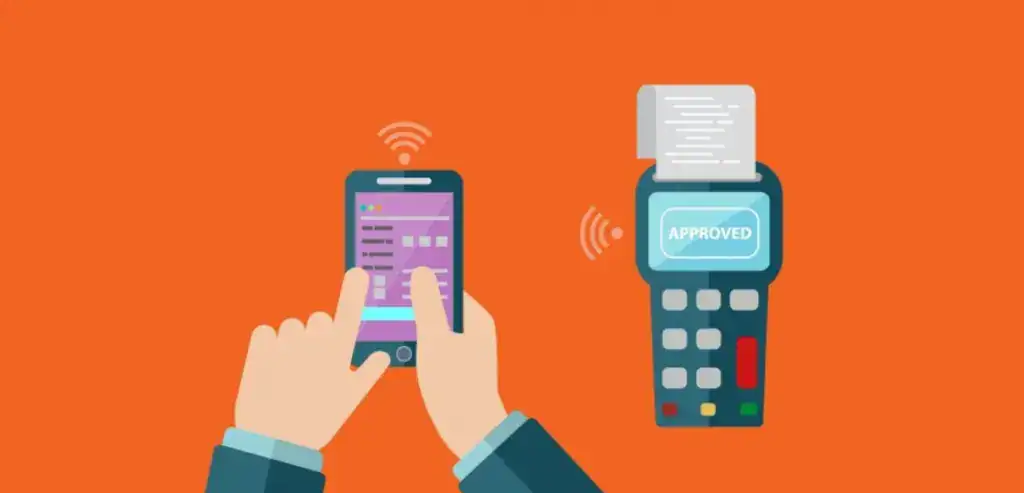
Payment technology has evolved significantly. Today’s systems are designed to work even in challenging environments.
Modern payment systems use features such as the following:
- Offline transaction storage
- Delayed authorization processing
- Multi-network connectivity
- Device-based encryption
- Automatic syncing when the connection returns
These features allow businesses to accept payments even when the internet temporarily fails.
The key idea is simple. Instead of requiring real-time authorization, some systems securely store the payment data and process it once connectivity returns. This is commonly called offline payment processing.
When used correctly, this technology allows businesses to continue operating without interruption.
What Are Offline Payments and How Do They Work?
Offline payments allow a business to accept a card transaction without an active internet connection. The payment device securely stores the transaction details and submits them later when the connection returns.
The process usually works like this:
How Offline Payment Processing Works
- The customer taps, inserts, or swipes their card.
- The payment device encrypts the transaction data.
- The transaction is securely stored in the device memory.
- Once the internet returns, the device sends the transaction for authorization.
- Funds are processed normally after approval.
This process allows businesses to continue accepting payments during temporary outages.
However, businesses must understand that offline transactions carry some risk because authorization happens later. That is why businesses should set transaction limits and follow best practices when using offline mode.
Types of Mobile Businesses That Benefit Most From Offline Payments
Some mobile businesses face higher connectivity risks than others. These businesses benefit the most from offline payment capabilities.
Common Mobile Businesses That Need Offline Payment Solutions
- Food trucks operating in crowded areas
- Festival and event vendors
- Mobile salons and repair services
- Delivery businesses
- Outdoor market vendors
- Transportation services
- Home service providers
- Pop-up retail stores
These businesses often operate in locations where signals are weak or unreliable. Having offline payment capability prevents revenue loss.
Smart Payment Tools That Help Businesses Stay Operational
Mobile businesses should not rely on only one payment method. Smart businesses create redundancy by using multiple tools.
Payment Tools That Help During Internet Outages
- Payment terminals with offline mode
- Mobile POS systems with transaction storage
- Dual SIM payment devices
- Payment devices with Wi-Fi and cellular backup
- Portable hotspot devices
- QR code payment options
- Tap-to-pay mobile solutions
Using multiple tools reduces the chance that payments will stop completely.
Using Offline Mode Payment Terminals the Right Way
Many modern payment terminals include offline mode, but businesses must configure and use it correctly.
Offline mode should only be used when necessary and within safe limits.
Best Practices for Using Offline Payment Mode
- Set a maximum offline transaction limit
- Accept offline payments only from chip cards when possible
- Avoid very large offline transactions
- Require customer signatures when appropriate
- Sync transactions as soon as the internet returns
- Monitor offline transaction reports daily
Following these steps helps reduce risk while maintaining business continuity.
Creating a Backup Internet Strategy
One of the smartest decisions a mobile business can make is having backup connectivity.
Relying on a single network creates unnecessary risk. Backup options are affordable and easy to implement.
Backup Connectivity Options Businesses Should Consider
- Secondary mobile network provider
- Portable Wi-Fi hotspot
- Device tethering from a mobile phone
- SIM cards from different carriers
- Satellite internet devices in remote areas
Even a simple backup hotspot can prevent major revenue losses.
Accepting Multiple Payment Methods Reduces Risk
Businesses that accept only one payment type are more vulnerable during outages. Accepting multiple payment methods increases flexibility.
Customers also appreciate having options.
Payment Methods That Improve Payment Reliability
- Contactless card payments
- Mobile wallet payments
- QR code payments
- Stored card payments
- ACH payments (when available)
- Cash as a backup option
Payment diversity is a simple but powerful strategy.
Training Staff to Handle Payment Interruptions Professionally
Technology alone is not enough. Staff must know how to respond during outages.
Employees should remain calm, confident, and clear when explaining payment alternatives to customers.
Staff Training Topics Businesses Should Cover
- How to activate offline mode
- How to explain payment delays to customers
- How to offer alternative payment methods
- How to document offline transactions
- How to verify customer identity when needed
- How to restart devices properly
Well-trained staff can turn a potential problem into a smooth experience.
Setting Customer Expectations During Connectivity Problems
Clear communication builds trust. Customers are usually understanding if businesses explain the situation clearly.
Simple signage or verbal explanations can make a big difference.
Simple Ways to Communicate With Customers
- Display a small sign explaining temporary connectivity issues
- Offer alternative payment methods
- Provide digital receipts when processing is complete
- Clearly explain delayed processing if offline mode is used
- Thank customers for their patience.
Transparency helps maintain customer confidence.
Protecting Your Business From Offline Transaction Risks
Offline transactions are useful but must be managed carefully.
Since authorization happens later, there is a small risk of declined transactions. Businesses should take reasonable precautions.
Ways to Reduce Offline Payment Risk
- Set transaction amount limits
- Avoid repeated offline transactions from the same card.
- Request identification for higher amounts
- Keep signed receipts where applicable
- Process stored transactions quickly
- Monitor declined offline transactions
Risk management ensures offline payments remain a benefit rather than a problem.
Keeping Payment Devices Ready for Emergencies
Preparation prevents problems. Payment devices should always be ready to operate during unexpected outages.
Simple maintenance habits can prevent operational failures.
Device Readiness Best Practices
- Keep devices fully charged
- Update software regularly
- Test offline functionality monthly
- Carry charging cables and power banks
- Clean card readers regularly
- Replace aging hardware before failure
Prepared devices help businesses avoid preventable downtime.
Using Cloud Reporting to Reconcile Offline Transactions
Once internet connectivity returns, businesses must ensure all stored transactions are processed correctly.
Most modern systems automatically sync data, but reviewing reports is still important.
Important Reconciliation Steps
- Verify all offline transactions were submitted
- Check approval and decline reports
- Contact customers if needed
- Confirm deposits match transactions
- Maintain clear accounting records
Reconciliation prevents revenue leakage and accounting confusion.
Planning for Long-Duration Internet Failures
Short outages are common, but businesses should also prepare for longer disruptions.
Planning helps maintain stability.
Long Outage Preparation Strategies
- Keep manual receipt books as an emergency backup
- Set daily offline limits
- Establish clear internal payment policies
- Maintain emergency customer contact procedures
- Have clear refund procedures if needed
Preparation ensures your business remains professional even during extended problems.
The Role of Mobile POS Systems in Payment Continuity

Mobile POS systems provide flexibility that traditional systems cannot match. They often combine inventory, payments, and reporting in one platform.
Many mobile POS platforms include offline features.
Benefits of Mobile POS Systems During Outages
- Offline transaction storage
- Device portability
- Multi-payment acceptance
- Automatic syncing
- Centralized reporting
- Faster recovery after outages
Mobile POS technology gives businesses operational resilience.
Why Payment Redundancy Is a Smart Business Strategy
Redundancy means having backup systems. Smart businesses build redundancy into critical operations like payments.
Payment redundancy ensures that one failure does not stop revenue.
Examples of Payment Redundancy
- Two payment devices instead of one
- Multiple internet providers
- Multiple payment acceptance methods
- Backup charging solutions
- Secondary processing routes
Redundancy may seem unnecessary until the day it prevents a major disruption.
Security Considerations When Accepting Offline Payments
Security should never be compromised. Even during outages, businesses must follow proper data protection practices.
Modern devices encrypt stored transaction data, but businesses must still follow safe procedures.
Offline Payment Security Best Practices
- Use PCI-compliant devices
- Never write down card numbers manually.
- Use encrypted payment devices only
- Restrict staff access to stored transactions
- Process stored transactions quickly
- Keep software updated
Security discipline protects both customers and businesses.
How Preparation Improves Customer Trust
Customers may not remember a short outage. But they will remember how a business handled it.
Businesses that stay prepared appear reliable and professional.
When payments continue smoothly despite connectivity issues, customers see a business that is organized and dependable.
Preparedness creates trust, and trust creates repeat customers.
Building a Payment Continuity Checklist for Mobile Businesses
Every mobile business should create a simple payment continuity checklist.
Payment Continuity Checklist
- Enable offline payment mode
- Set safe transaction limits
- Maintain backup connectivity
- Accept multiple payment types
- Train employees
- Test systems regularly
- Maintain device readiness
- Monitor transactions daily
- Document payment procedures
- Review payment performance monthly
A checklist makes preparation simple and repeatable.
Common Mistakes Mobile Businesses Should Avoid
Some mistakes increase payment disruption risk.
Avoiding these mistakes improves reliability.
Payment Continuity Mistakes to Avoid
- Relying on one internet provider
- Not enabling offline mode
- Ignoring software updates
- Not training employees
- Accepting unlimited offline transactions
- Not reviewing transaction reports
- Using outdated devices
Avoiding these mistakes helps maintain smooth operations.
Future Trends in Mobile Payment Reliability
Payment technology continues to improve. Future systems will become even more resilient.
Emerging improvements include:
Future Payment Technology Trends
- Smarter offline authorization tools
- AI-based transaction risk analysis
- Stronger device encryption
- Faster transaction syncing
- Expanded contactless payment adoption
- Improved mobile network stability
Businesses that stay updated with payment technology gain long-term advantages.
Conclusion
Internet outages do not have to stop your business from making sales. With proper preparation, the right payment tools, trained staff, and backup strategies, mobile businesses can continue accepting payments without disruption.
The most successful mobile businesses treat payment continuity as part of their operational strategy. They prepare backup systems, enable offline payment options, maintain device readiness, and train their teams.
The goal is simple. Never let connectivity problems stop revenue.
By planning and using modern payment solutions, mobile businesses can protect sales, maintain customer trust, and operate confidently in any environment.
FAQs
What happens if I accept a payment while offline and it later declines?
If an offline payment is declined later, the business may need to contact the customer for another payment method. This is why transaction limits and risk controls are important.
Are offline card payments safe for small businesses?
Yes, when using secure and compliant payment devices with proper limits. Following best practices greatly reduces risk.
How long can a payment device store offline transactions?
Most devices can store transactions until connectivity returns, but businesses should sync them as soon as possible to reduce risk.
Should mobile businesses always keep a backup internet option?
Yes. A backup connection, like a hotspot or second carrier, can prevent lost sales and improve reliability.
Do customers usually understand payment delays during outages?
Most customers understand if businesses communicate clearly and offer alternative payment options.